Buy alpamayo.eu ?
We are moving the project
alpamayo.eu .
Are you interested in purchasing the domain
alpamayo.eu ?
domain@kv-gmbh.de · 0541-91531010
Buy alpamayo.eu ?
How does the pulse change when climbing stairs?
When climbing stairs, the pulse typically increases as the body works harder to overcome gravity and lift the body weight with each step. This increase in pulse is a result of the heart pumping more blood to deliver oxygen and nutrients to the muscles that are being used during the activity. As a result, the pulse rate will rise to meet the increased demand for oxygen and energy, and will gradually return to normal once the activity is completed. **
What is a normal pulse after climbing stairs?
A normal pulse after climbing stairs can vary depending on an individual's fitness level and age. In general, a normal pulse after climbing stairs for a healthy adult is around 100-150 beats per minute. However, for someone who is more physically fit, their pulse may not increase as much and could stay within the normal resting range of 60-100 beats per minute. It's important to note that if someone experiences chest pain, dizziness, or an excessively high or low pulse after climbing stairs, they should seek medical attention. **


Similar search terms for Pulse
Top-Angebote
Products related to Pulse:
-
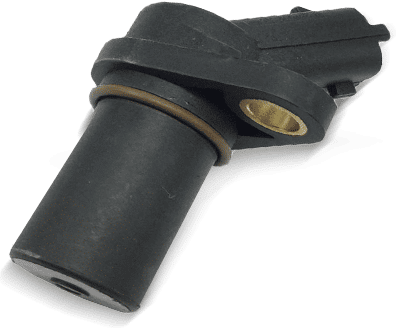
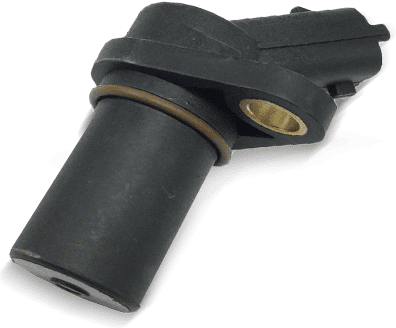
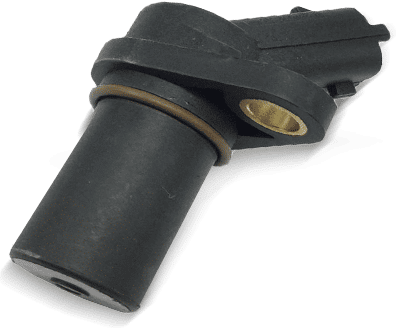
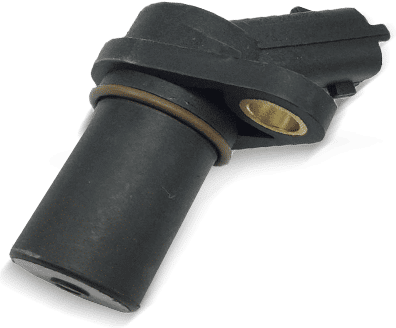
BREMI 16513 Sensor, ignition pulseManufacturer Restriction: System BOSCH; Manufacturer Restriction: SYSTEM BOSCH, SYSTEM MARELLI; Construction Year from: 11/1990, 01/1989, 08/1985, 11/1985, 03/1984, 04/1991, 12/1989, 08/1986, 02/1991, 01/1990, 06/1984, 10/1986, 05/1990; TecDoc Engine Number: 4136, 4964, 4131, 5011; Construction Year to: 11/1990, 07/1984, 10/1985, 09/1990, 03/1991, 12/1993, 12/1989, 09/1989, 10/1991; Engine Code: NZ333,99 £*Shipping: 1,99 £Secure redirect to the provider

-
What causes the pulse in the head when climbing stairs?
The pulse in the head when climbing stairs is caused by an increase in heart rate and blood flow to supply the muscles with oxygen and nutrients needed for the physical activity. As you climb stairs, your muscles are working harder, requiring more oxygen, which leads to an increase in blood circulation. This increased blood flow can be felt as a pulse in the head due to the proximity of the blood vessels to the surface of the skin in that area. **
-
How high is the pulse when climbing stairs at 160?
When climbing stairs at 160, the pulse rate can vary depending on the individual's fitness level and overall health. However, it is common for the pulse to increase significantly during physical activity such as climbing stairs at this intensity. The pulse rate can reach anywhere from 120-160 beats per minute or even higher for some individuals. It's important to listen to your body and not push yourself too hard if you feel your pulse is getting too high. **
-
How high is the pulse when it reaches 170 while climbing stairs?
When the pulse reaches 170 while climbing stairs, it is considered to be in the high-intensity exercise zone. At this level, the heart rate is significantly elevated, indicating that the body is working hard to meet the increased demand for oxygen and energy. It is important to monitor the pulse and ensure that it does not exceed safe limits during exercise to prevent overexertion or potential health risks. **
-
At what pulse rate is the pulse too high when jogging?
The pulse rate that is considered too high when jogging varies from person to person, but a general guideline is that a pulse rate above 185 beats per minute may be too high for most individuals. It's important to listen to your body and pay attention to any symptoms of dizziness, lightheadedness, or chest pain, which may indicate that your pulse rate is too high. If you experience these symptoms, it's important to slow down, stop jogging, and seek medical attention if necessary. **
Is my pulse okay?
It is important to know what your normal resting pulse rate is, as it can vary depending on factors such as age, fitness level, and overall health. A normal resting pulse rate for adults is typically between 60-100 beats per minute. If your pulse rate falls within this range, it is generally considered normal. However, if you are experiencing any symptoms such as dizziness, shortness of breath, or chest pain, it is important to consult with a healthcare professional to determine if your pulse rate is okay. **
Is the pulse palpable?
Yes, the pulse is palpable. The pulse can be felt by placing fingers on certain pulse points on the body, such as the wrist, neck, or groin. The strength and regularity of the pulse can provide important information about a person's cardiovascular health. If the pulse is weak, irregular, or difficult to find, it may indicate an underlying medical condition that requires further evaluation. **
Top-Angebote
Products related to Pulse:
-
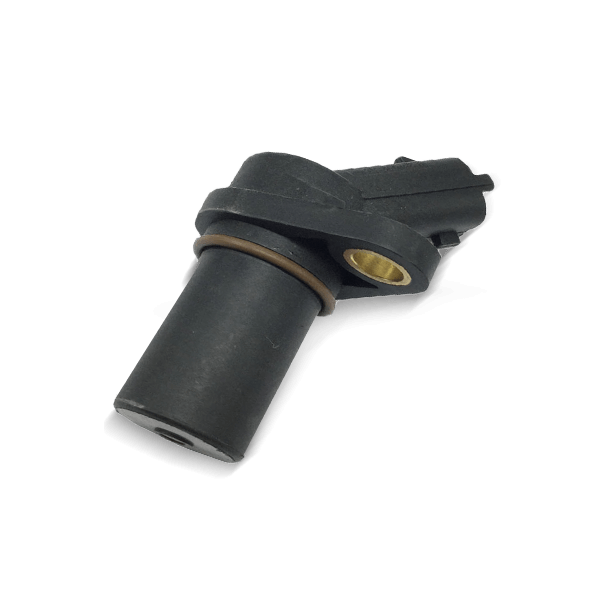
METZGER 0903065 Sensor, ignition pulseNumber of pins: 3; Resistor [ohm]: 1400; Cable Length [mm]: 385; TecDoc Engine Number: 28375, 28376, 28380; Construction Year to: 09/1992; Manufacturer Restriction: Bosch, Siemens; Construction Year from: 09/1992; Engine Code: M5027,99 £*Shipping: 8,45 £Secure redirect to the provider
-
How does the pulse change when climbing stairs?
When climbing stairs, the pulse typically increases as the body works harder to overcome gravity and lift the body weight with each step. This increase in pulse is a result of the heart pumping more blood to deliver oxygen and nutrients to the muscles that are being used during the activity. As a result, the pulse rate will rise to meet the increased demand for oxygen and energy, and will gradually return to normal once the activity is completed. **
-
What is a normal pulse after climbing stairs?
A normal pulse after climbing stairs can vary depending on an individual's fitness level and age. In general, a normal pulse after climbing stairs for a healthy adult is around 100-150 beats per minute. However, for someone who is more physically fit, their pulse may not increase as much and could stay within the normal resting range of 60-100 beats per minute. It's important to note that if someone experiences chest pain, dizziness, or an excessively high or low pulse after climbing stairs, they should seek medical attention. **
-
What causes the pulse in the head when climbing stairs?
The pulse in the head when climbing stairs is caused by an increase in heart rate and blood flow to supply the muscles with oxygen and nutrients needed for the physical activity. As you climb stairs, your muscles are working harder, requiring more oxygen, which leads to an increase in blood circulation. This increased blood flow can be felt as a pulse in the head due to the proximity of the blood vessels to the surface of the skin in that area. **
-
How high is the pulse when climbing stairs at 160?
When climbing stairs at 160, the pulse rate can vary depending on the individual's fitness level and overall health. However, it is common for the pulse to increase significantly during physical activity such as climbing stairs at this intensity. The pulse rate can reach anywhere from 120-160 beats per minute or even higher for some individuals. It's important to listen to your body and not push yourself too hard if you feel your pulse is getting too high. **
Similar search terms for Pulse
-
BREMI 16513 Sensor, ignition pulseManufacturer Restriction: System BOSCH; Manufacturer Restriction: SYSTEM BOSCH, SYSTEM MARELLI; Construction Year from: 11/1990, 01/1989, 08/1985, 11/1985, 03/1984, 04/1991, 12/1989, 08/1986, 02/1991, 01/1990, 06/1984, 10/1986, 05/1990; TecDoc Engine Number: 4136, 4964, 4131, 5011; Construction Year to: 11/1990, 07/1984, 10/1985, 09/1990, 03/1991, 12/1993, 12/1989, 09/1989, 10/1991; Engine Code: NZ333,99 £*Shipping: 1,99 £Secure redirect to the provider
-
How high is the pulse when it reaches 170 while climbing stairs?
When the pulse reaches 170 while climbing stairs, it is considered to be in the high-intensity exercise zone. At this level, the heart rate is significantly elevated, indicating that the body is working hard to meet the increased demand for oxygen and energy. It is important to monitor the pulse and ensure that it does not exceed safe limits during exercise to prevent overexertion or potential health risks. **
-
At what pulse rate is the pulse too high when jogging?
The pulse rate that is considered too high when jogging varies from person to person, but a general guideline is that a pulse rate above 185 beats per minute may be too high for most individuals. It's important to listen to your body and pay attention to any symptoms of dizziness, lightheadedness, or chest pain, which may indicate that your pulse rate is too high. If you experience these symptoms, it's important to slow down, stop jogging, and seek medical attention if necessary. **
-
Is my pulse okay?
It is important to know what your normal resting pulse rate is, as it can vary depending on factors such as age, fitness level, and overall health. A normal resting pulse rate for adults is typically between 60-100 beats per minute. If your pulse rate falls within this range, it is generally considered normal. However, if you are experiencing any symptoms such as dizziness, shortness of breath, or chest pain, it is important to consult with a healthcare professional to determine if your pulse rate is okay. **
-
Is the pulse palpable?
Yes, the pulse is palpable. The pulse can be felt by placing fingers on certain pulse points on the body, such as the wrist, neck, or groin. The strength and regularity of the pulse can provide important information about a person's cardiovascular health. If the pulse is weak, irregular, or difficult to find, it may indicate an underlying medical condition that requires further evaluation. **
* All prices are inclusive of VAT and, if applicable, plus shipping costs. The offer information is based on the details provided by the respective shop and is updated through automated processes. Real-time updates do not occur, so deviations can occur in individual cases. ** Note: Parts of this content were created by AI.