Buy alpamayo.eu ?
We are moving the project
alpamayo.eu .
Are you interested in purchasing the domain
alpamayo.eu ?
domain@kv-gmbh.de · 0541-91531010
Buy alpamayo.eu ?
Bernese Alps Mountains
The Bernese Alps Mountains are a stunning range located in Switzerland. They are known for their majestic peaks, including the famous Eiger, Monch, and Jungfrau. The region is popular for outdoor activities such as hiking, skiing, and mountaineering, and offers breathtaking views of glaciers, valleys, and alpine meadows. The Bernese Alps are also home to charming villages and towns, making it a popular destination for tourists seeking both adventure and relaxation in a picturesque setting. **
Can you go hiking in the Alps with a dog?
Yes, you can go hiking in the Alps with a dog. However, it's important to check the specific regulations and guidelines of the area you plan to visit, as some trails may have restrictions on dogs. Additionally, it's crucial to consider your dog's fitness level and the difficulty of the hike, as some trails in the Alps can be quite challenging. It's also important to be mindful of wildlife and other hikers while hiking with a dog in the Alps. **


Similar search terms for Alps
Top-Angebote
Products related to Alps:
-
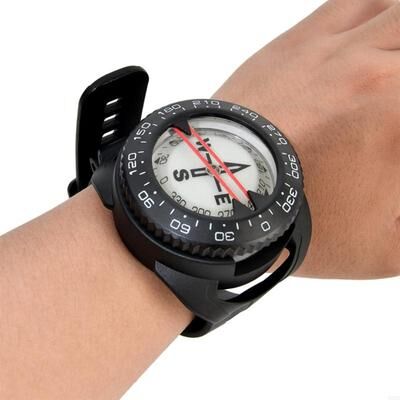
The Handy Homestead Survival Wrist Compass Watch For Outdoor Adventure & Hiking Survival Wrist Compass Watch For Outdoor Adventure & HikingNever lose your way on your adventures again. The wrist compass watch combines a reliable compass with a durable, lightweight design, perfect for explorers, hikers, and outdoor enthusiasts. Built for precision and convenience, it keeps you oriented...39,97 $*Shipping: 0,00 $Secure redirect to the provider
-
Uplifted Trends Premium Wrist Compass Survival Watch For Outdoor Adventure & Hiking Premium Wrist Compass Survival Watch For Outdoor Adventure & HikingNever lose your way again with the wrist compass survival watch built for adventurers and explorers. Designed for hikers, campers, and outdoor enthusiasts, this durable survival watch keeps you on track no matter where the journey takes you. Its...39,97 $*Shipping: 0,00 $Secure redirect to the provider


-
What is the description of the three types of Alps or the three Alpine faces: Northern Limestone Alps, Central Alps, and Southern Limestone Alps?
The Northern Limestone Alps are characterized by their rugged limestone peaks and deep valleys, offering challenging terrain for climbers and hikers. The Central Alps are known for their iconic snow-capped peaks, including famous mountains like the Matterhorn and Mont Blanc, attracting winter sports enthusiasts and mountaineers. The Southern Limestone Alps feature a mix of limestone and dolomite formations, creating a unique landscape of sharp peaks and deep gorges, popular for rock climbing and hiking. **
-
What do you need for climbing easy 3000-meter peaks in the Alps?
To climb easy 3000-meter peaks in the Alps, you will need proper mountaineering equipment such as crampons, ice axe, helmet, and harness. It is also essential to have good physical fitness and some basic climbing skills. Additionally, knowledge of route finding, glacier travel, and avalanche safety is crucial for a successful ascent. Lastly, it is recommended to go with an experienced guide or partner, especially if you are new to mountaineering. **
-
Where are the Alps located?
The Alps are located in Europe, stretching across eight countries: France, Switzerland, Italy, Monaco, Liechtenstein, Austria, Germany, and Slovenia. This mountain range is known for its stunning natural beauty, including snow-capped peaks, lush valleys, and picturesque lakes. The Alps are a popular destination for outdoor activities such as skiing, hiking, and mountaineering. **
-
How did the Alps form?
The Alps formed as a result of the collision of the African and Eurasian tectonic plates. About 65 million years ago, the African plate began to move northward and collided with the Eurasian plate. This collision caused the Earth's crust to fold and uplift, creating the mountain range we now know as the Alps. The process of mountain building, known as orogeny, continued over millions of years, resulting in the formation of the iconic peaks and valleys of the Alps. **

Why does the snow in the Alps never completely melt away on the mountains?
The snow in the Alps never completely melts away on the mountains because of the high altitude and low temperatures. The mountains in the Alps are very high, and as a result, the temperatures are much lower than at lower elevations. This means that even during the summer months, the temperatures are often too cold for the snow to completely melt. Additionally, the high altitude means that the air is thinner, which also contributes to the lower temperatures and the persistence of snow on the mountains. **
Why does the snow in the Alps on the mountains never completely melt away?
The snow in the Alps on the mountains never completely melts away because of the high altitude and cooler temperatures at higher elevations. The mountains in the Alps are tall enough to maintain cold temperatures even during the summer months, preventing the snow from fully melting. Additionally, the snow can accumulate and be replenished throughout the year, especially in areas with heavy snowfall, further contributing to its persistence on the mountains. **
Top-Angebote
Products related to Alps:
-
Winsome Wood Alps Tall Cabinet with Glass Door and DrawerAlps Cabinet is a perfect addition to your kitchen, dining room, or even bathroom. Plenty of storage space with top section featuring a glass door that opens to one adjustable shelf to show your valuables or essentials.251,71 $*Shipping: 0,00 $Secure redirect to the provider
-
Bernese Alps Mountains
The Bernese Alps Mountains are a stunning range located in Switzerland. They are known for their majestic peaks, including the famous Eiger, Monch, and Jungfrau. The region is popular for outdoor activities such as hiking, skiing, and mountaineering, and offers breathtaking views of glaciers, valleys, and alpine meadows. The Bernese Alps are also home to charming villages and towns, making it a popular destination for tourists seeking both adventure and relaxation in a picturesque setting. **
-
Can you go hiking in the Alps with a dog?
Yes, you can go hiking in the Alps with a dog. However, it's important to check the specific regulations and guidelines of the area you plan to visit, as some trails may have restrictions on dogs. Additionally, it's crucial to consider your dog's fitness level and the difficulty of the hike, as some trails in the Alps can be quite challenging. It's also important to be mindful of wildlife and other hikers while hiking with a dog in the Alps. **
-
What is the description of the three types of Alps or the three Alpine faces: Northern Limestone Alps, Central Alps, and Southern Limestone Alps?
The Northern Limestone Alps are characterized by their rugged limestone peaks and deep valleys, offering challenging terrain for climbers and hikers. The Central Alps are known for their iconic snow-capped peaks, including famous mountains like the Matterhorn and Mont Blanc, attracting winter sports enthusiasts and mountaineers. The Southern Limestone Alps feature a mix of limestone and dolomite formations, creating a unique landscape of sharp peaks and deep gorges, popular for rock climbing and hiking. **
-
What do you need for climbing easy 3000-meter peaks in the Alps?
To climb easy 3000-meter peaks in the Alps, you will need proper mountaineering equipment such as crampons, ice axe, helmet, and harness. It is also essential to have good physical fitness and some basic climbing skills. Additionally, knowledge of route finding, glacier travel, and avalanche safety is crucial for a successful ascent. Lastly, it is recommended to go with an experienced guide or partner, especially if you are new to mountaineering. **
Similar search terms for Alps
-
The Handy Homestead Survival Wrist Compass Watch For Outdoor Adventure & Hiking Survival Wrist Compass Watch For Outdoor Adventure & HikingNever lose your way on your adventures again. The wrist compass watch combines a reliable compass with a durable, lightweight design, perfect for explorers, hikers, and outdoor enthusiasts. Built for precision and convenience, it keeps you oriented...39,97 $*Shipping: 0,00 $Secure redirect to the provider
-
Uplifted Trends Premium Wrist Compass Survival Watch For Outdoor Adventure & Hiking Premium Wrist Compass Survival Watch For Outdoor Adventure & HikingNever lose your way again with the wrist compass survival watch built for adventurers and explorers. Designed for hikers, campers, and outdoor enthusiasts, this durable survival watch keeps you on track no matter where the journey takes you. Its...39,97 $*Shipping: 0,00 $Secure redirect to the provider
-
ModernMart Adventure Waterproof Compass Watch For Hiking Navigation And Outdoor Survival Adventure Waterproof Compass Watch For Hiking Navigation And Outdoor SurvivalNever lose your sense of direction, even in the wild. This compass watch is built for explorers, hikers, and outdoor enthusiasts who need reliable navigation on the go. Designed as a rugged outdoor survival watch, it combines precision direction...79,97 $*Shipping: 0,00 $Secure redirect to the provider
-
ModernMart EDC Outdoor Survival Compass Watch Bracelet For Hiking & Climbing EDC Outdoor Survival Compass Watch Bracelet For Hiking & ClimbingNever lose your way on your next adventure with the EDC Outdoor Survival Compass Watch. Designed for hikers, climbers, and outdoor enthusiasts, this compact, lightweight tool keeps you on track and on time. Its durable, waterproof design glows in...34,97 $*Shipping: 0,00 $Secure redirect to the provider
-
Where are the Alps located?
The Alps are located in Europe, stretching across eight countries: France, Switzerland, Italy, Monaco, Liechtenstein, Austria, Germany, and Slovenia. This mountain range is known for its stunning natural beauty, including snow-capped peaks, lush valleys, and picturesque lakes. The Alps are a popular destination for outdoor activities such as skiing, hiking, and mountaineering. **
-
How did the Alps form?
The Alps formed as a result of the collision of the African and Eurasian tectonic plates. About 65 million years ago, the African plate began to move northward and collided with the Eurasian plate. This collision caused the Earth's crust to fold and uplift, creating the mountain range we now know as the Alps. The process of mountain building, known as orogeny, continued over millions of years, resulting in the formation of the iconic peaks and valleys of the Alps. **
-
Why does the snow in the Alps never completely melt away on the mountains?
The snow in the Alps never completely melts away on the mountains because of the high altitude and low temperatures. The mountains in the Alps are very high, and as a result, the temperatures are much lower than at lower elevations. This means that even during the summer months, the temperatures are often too cold for the snow to completely melt. Additionally, the high altitude means that the air is thinner, which also contributes to the lower temperatures and the persistence of snow on the mountains. **
-
Why does the snow in the Alps on the mountains never completely melt away?
The snow in the Alps on the mountains never completely melts away because of the high altitude and cooler temperatures at higher elevations. The mountains in the Alps are tall enough to maintain cold temperatures even during the summer months, preventing the snow from fully melting. Additionally, the snow can accumulate and be replenished throughout the year, especially in areas with heavy snowfall, further contributing to its persistence on the mountains. **
* All prices are inclusive of VAT and, if applicable, plus shipping costs. The offer information is based on the details provided by the respective shop and is updated through automated processes. Real-time updates do not occur, so deviations can occur in individual cases. ** Note: Parts of this content were created by AI.