Buy alpamayo.eu ?
We are moving the project
alpamayo.eu .
Are you interested in purchasing the domain
alpamayo.eu ?
domain@kv-gmbh.de · 0541-91531010
Buy alpamayo.eu ?
What is the climbing roofing network in Germany?
The climbing roofing network in Germany is a system of green roofs designed to provide habitats for plants and animals while also helping to regulate temperature and manage stormwater runoff. These green roofs are built with a variety of vegetation, including grasses, flowers, and shrubs, and are becoming increasingly popular in urban areas as a way to promote biodiversity and improve air quality. The climbing roofing network aims to create a more sustainable and environmentally friendly built environment in Germany. **
How can one lay network cables in outdoor areas?
When laying network cables in outdoor areas, it is important to use outdoor-rated cables that are designed to withstand exposure to the elements. The cables should be buried at least 18 inches underground to protect them from damage and ensure they are not a tripping hazard. Additionally, it is important to use conduit or protective tubing to further shield the cables from potential damage. Finally, it is essential to follow local building codes and regulations when laying network cables in outdoor areas to ensure compliance and safety. **


Similar search terms for Network
Top-Angebote
Products related to Network:
-
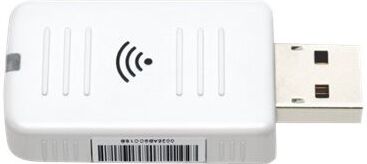
Epson ELPAP10 Network AdapterWireless network adapter compatible with 50+ Epson projector and display models. Features 802.11b/g/n connectivity (IEEE 802.11 compliant) for seamless wireless projection. USB-based design enables easy connectivity to supported Epson CB-X05, EB, EH, and Pro series devices.124,49 £*Shipping: 0,00 £Secure redirect to the provider
-
Microconnect U/UTP Cat6 Outdoor Network Cable Black - 75mMicroconnect U/UTP Cat6 outdoor network cable, 75m, black. Solid-core 4 x 2 x AWG 24 CCA (copper-clad aluminium) conductors, unshielded (U/UTP), in an outdoor-rated jacket for external cable runs between buildings or to outdoor access points and cameras. Manufacturer part number B-UTP675SOUT.55,99 £*Shipping: 0,00 £Secure redirect to the provider
-
Microconnect U/UTP Cat6 Outdoor Network Cable Black - 10mMicroconnect U/UTP Cat6 outdoor network cable, 10m, black. Solid-core 4 x 2 x AWG 24 CCA (copper-clad aluminium) conductors, unshielded (U/UTP), in an outdoor-rated jacket for external cable runs between buildings or to outdoor access points and cameras. Manufacturer part number B-UTP610SOUT.19,49 £*Shipping: 0,00 £Secure redirect to the provider


-
How can network cables be installed in outdoor areas?
When installing network cables in outdoor areas, it is important to use cables that are specifically designed for outdoor use and can withstand exposure to the elements. The cables should be buried underground or run through conduit to protect them from damage. It is also important to use waterproof connectors and junction boxes to ensure the connections remain secure and protected from moisture. Additionally, proper grounding and surge protection should be implemented to prevent damage from lightning strikes or power surges. **
-
Do you like hiking in the mountains?
As an AI, I do not have personal preferences or physical capabilities to engage in activities like hiking. However, I can provide information and tips on hiking in the mountains if you are interested. **
-
Which network should one use at home - public network, home network, or workplace network? Which is the safest?
For optimal security, it is recommended to use a home network at home. Home networks are typically more secure than public networks as they are password-protected and controlled by the user. Workplace networks can also be secure, but they may have additional restrictions and monitoring in place. Public networks, such as those in cafes or airports, are the least secure option as they are open to anyone and can be easily compromised by hackers. **
-
Which network should one use at home - public network, home network, or work network? Which is the safest?
For optimal security, it is recommended to use a home network at home. Home networks are typically more secure than public networks, as they are password-protected and offer more control over who can access the network. Public networks, such as those found in cafes or airports, are the least secure option as they are open to anyone and can be easily compromised by hackers. Work networks are secure but are typically designed for work-related activities and may have restrictions on personal use. **


Which network should one use at home - public network, home network, or work network? Which is the most secure?
For optimal security at home, it is recommended to use the home network. Home networks are typically more secure than public networks as they are private and can be customized with security measures such as strong passwords and encryption. Work networks are also secure, but they are designed for professional use and may have restrictions that limit personal activities. Overall, the home network is the most secure option for personal use. **
Which network should one use at home - public network, home network, or workplace network? Which is the most secure?
For the highest level of security, it is recommended to use a home network at home. Home networks are typically more secure than public networks, as they are controlled and managed by the homeowner. Workplace networks can also be secure, but they may have additional security measures in place that could restrict certain activities. Public networks, such as those found in cafes or airports, are the least secure option as they are open to anyone and can be more easily compromised by hackers. **
Top-Angebote
Products related to Network:
-
Epson ELPAP10 Network AdapterWireless network adapter compatible with 50+ Epson projector and display models. Features 802.11b/g/n connectivity (IEEE 802.11 compliant) for seamless wireless projection. USB-based design enables easy connectivity to supported Epson CB-X05, EB, EH, and Pro series devices.124,49 £*Shipping: 0,00 £Secure redirect to the provider
-
Microconnect U/UTP Cat6 Outdoor Network Cable Black - 75mMicroconnect U/UTP Cat6 outdoor network cable, 75m, black. Solid-core 4 x 2 x AWG 24 CCA (copper-clad aluminium) conductors, unshielded (U/UTP), in an outdoor-rated jacket for external cable runs between buildings or to outdoor access points and cameras. Manufacturer part number B-UTP675SOUT.55,99 £*Shipping: 0,00 £Secure redirect to the provider
-
What is the climbing roofing network in Germany?
The climbing roofing network in Germany is a system of green roofs designed to provide habitats for plants and animals while also helping to regulate temperature and manage stormwater runoff. These green roofs are built with a variety of vegetation, including grasses, flowers, and shrubs, and are becoming increasingly popular in urban areas as a way to promote biodiversity and improve air quality. The climbing roofing network aims to create a more sustainable and environmentally friendly built environment in Germany. **
-
How can one lay network cables in outdoor areas?
When laying network cables in outdoor areas, it is important to use outdoor-rated cables that are designed to withstand exposure to the elements. The cables should be buried at least 18 inches underground to protect them from damage and ensure they are not a tripping hazard. Additionally, it is important to use conduit or protective tubing to further shield the cables from potential damage. Finally, it is essential to follow local building codes and regulations when laying network cables in outdoor areas to ensure compliance and safety. **
-
How can network cables be installed in outdoor areas?
When installing network cables in outdoor areas, it is important to use cables that are specifically designed for outdoor use and can withstand exposure to the elements. The cables should be buried underground or run through conduit to protect them from damage. It is also important to use waterproof connectors and junction boxes to ensure the connections remain secure and protected from moisture. Additionally, proper grounding and surge protection should be implemented to prevent damage from lightning strikes or power surges. **
-
Do you like hiking in the mountains?
As an AI, I do not have personal preferences or physical capabilities to engage in activities like hiking. However, I can provide information and tips on hiking in the mountains if you are interested. **
Similar search terms for Network
-
Microconnect U/UTP Cat6 Outdoor Network Cable Black - 10mMicroconnect U/UTP Cat6 outdoor network cable, 10m, black. Solid-core 4 x 2 x AWG 24 CCA (copper-clad aluminium) conductors, unshielded (U/UTP), in an outdoor-rated jacket for external cable runs between buildings or to outdoor access points and cameras. Manufacturer part number B-UTP610SOUT.19,49 £*Shipping: 0,00 £Secure redirect to the provider
-
Microconnect U/UTP Cat6 Outdoor Network Cable Black - 30mMicroconnect U/UTP Cat6 outdoor network cable, 30 metres, black. Solid-core 4x2xAWG 24 CCA conductors with a UV-resistant outdoor jacket for running Ethernet between buildings or along exterior walls.30,49 £*Shipping: 0,00 £Secure redirect to the provider
-
Microconnect U/UTP Cat6 Outdoor Network Cable Black - 50mMicroconnect U/UTP Cat6 outdoor network cable, 50m, black. Solid-core 4 x 2 x AWG 24 CCA (copper-clad aluminium) conductors, unshielded (U/UTP), in an outdoor-rated jacket for external cable runs between buildings or to outdoor access points and cameras.42,99 £*Shipping: 0,00 £Secure redirect to the provider
-
Which network should one use at home - public network, home network, or workplace network? Which is the safest?
For optimal security, it is recommended to use a home network at home. Home networks are typically more secure than public networks as they are password-protected and controlled by the user. Workplace networks can also be secure, but they may have additional restrictions and monitoring in place. Public networks, such as those in cafes or airports, are the least secure option as they are open to anyone and can be easily compromised by hackers. **
-
Which network should one use at home - public network, home network, or work network? Which is the safest?
For optimal security, it is recommended to use a home network at home. Home networks are typically more secure than public networks, as they are password-protected and offer more control over who can access the network. Public networks, such as those found in cafes or airports, are the least secure option as they are open to anyone and can be easily compromised by hackers. Work networks are secure but are typically designed for work-related activities and may have restrictions on personal use. **
-
Which network should one use at home - public network, home network, or work network? Which is the most secure?
For optimal security at home, it is recommended to use the home network. Home networks are typically more secure than public networks as they are private and can be customized with security measures such as strong passwords and encryption. Work networks are also secure, but they are designed for professional use and may have restrictions that limit personal activities. Overall, the home network is the most secure option for personal use. **
-
Which network should one use at home - public network, home network, or workplace network? Which is the most secure?
For the highest level of security, it is recommended to use a home network at home. Home networks are typically more secure than public networks, as they are controlled and managed by the homeowner. Workplace networks can also be secure, but they may have additional security measures in place that could restrict certain activities. Public networks, such as those found in cafes or airports, are the least secure option as they are open to anyone and can be more easily compromised by hackers. **
* All prices are inclusive of VAT and, if applicable, plus shipping costs. The offer information is based on the details provided by the respective shop and is updated through automated processes. Real-time updates do not occur, so deviations can occur in individual cases. ** Note: Parts of this content were created by AI.